Willie Blake: How a Dyslexic Kid Who Hid in Class Built a Coaching Empire

Podcast Ep. 63 with Willie Blake
coachwillieblake.com/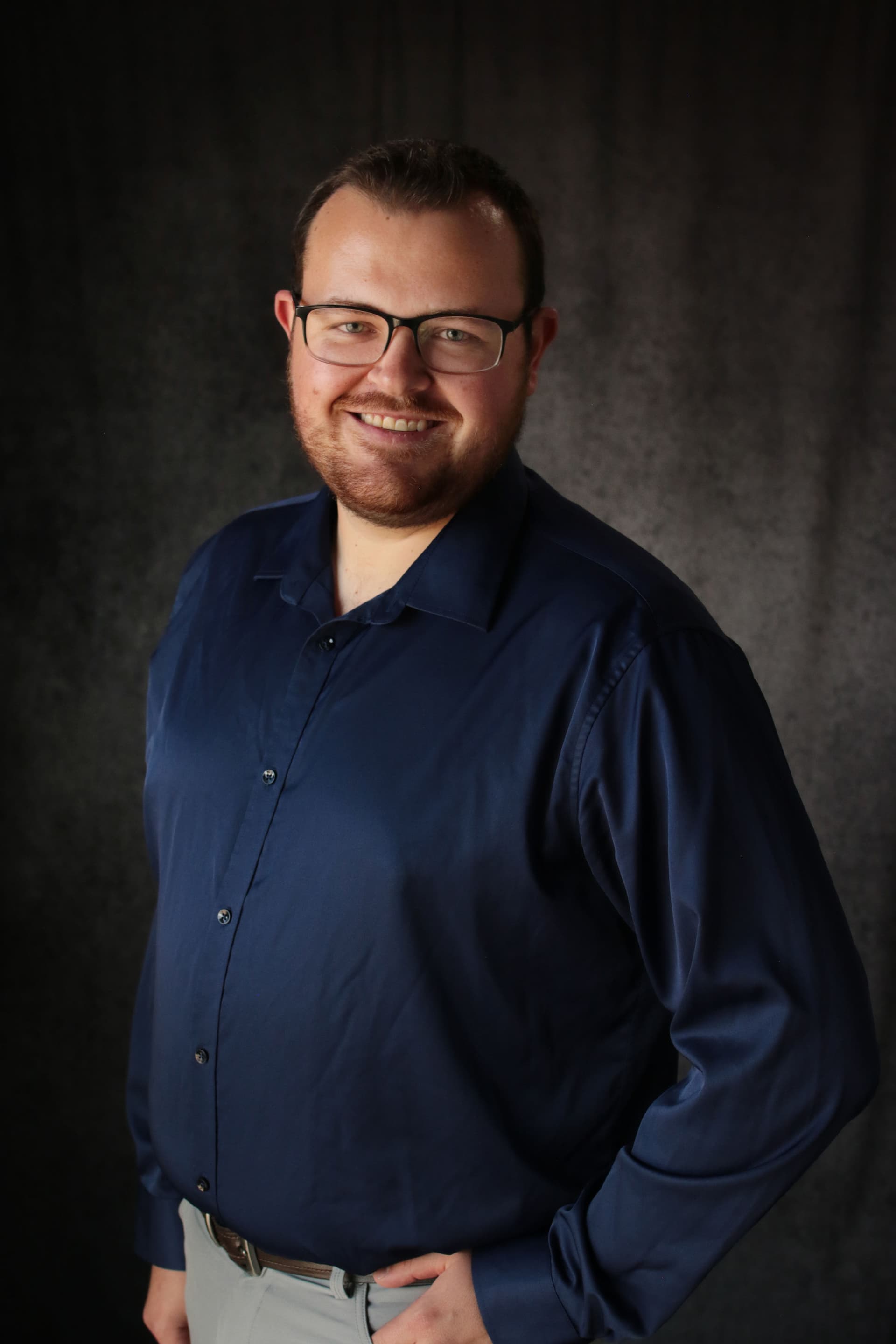
Willie Blake: How a Dyslexic Kid Who Hid in Class Built a Coaching Empire
Secondhand confidence is the pattern of waiting for external validation before trusting your own ability, common among overwhelmed business owners who learned early to hide rather than risk exposure. Willie Blake, a dyslexic coach who built a thriving coaching business after years of business owner self-doubt, discusses this pattern with Roy Castleman on the Thinking Outside Your Brain with AI podcast. For owner-managers running on fumes and quiet self-criticism, Blake's story reframes the traits they consider weaknesses as the very edges that make them effective.
Willie Blake knew the answers. He always knew the answers. But in first grade, when the teacher asked a question, he would sink lower in his chair and pray nobody called his name. Dyslexia had made reading aloud a public humiliation, and the lesson he absorbed was not about letters on a page. It was about silence being safer than visibility.
That pattern followed him for decades. Into his twenties. Into his career. Into the early years of building a coaching business where, for the first full year, he had exactly zero clients.
Why Overwhelmed Business Owners Hide What They Know
There is a particular kind of exhaustion that comes from spending your energy managing how people perceive you rather than doing the work. Willie calls it "secondhand confidence," and once you hear the term, you start seeing it everywhere. It is the business owner who waits for a client to say "that was brilliant" before believing the work was good. It is the founder who builds the product but cannot bring themselves to sell it because selling requires standing in front of people and saying "I made this, and it is worth your money."
For Willie, secondhand confidence meant he could coach someone through a breakthrough but could not pick up the phone to find someone to coach. Year one: nothing. Year two: one client. His cousin.
Most people would have quit. The numbers alone justified it. But something else was happening underneath the surface, something that connects directly to why so many owner-managers burn out quietly without ever telling anyone they are struggling. Willie was not failing because he lacked skill. He was failing because the story he told himself about who he was, the kid who hid in class, was running the show.
The Week That Broke Everything Open
Then two people Willie loved died by suicide within a single week.
There is no clean narrative for that kind of loss. No framework that makes it make sense. What it did was strip away every layer of pretence Willie had been carrying. The careful management of how he appeared to others suddenly felt absurd in the face of people who had been carrying invisible pain and never said a word.
He wrote a sticky note. The contents were simple, almost embarrassingly so. But that note became the anchor point for everything that came after. It was a commitment to stop hiding. Not a grand declaration. Not a viral moment. A private promise on a piece of paper that he stuck where he would see it every morning.
This is what people misunderstand about the relationship between mental health and business performance. They think the work is separate from the person. That you can be falling apart inside and still execute at a high level indefinitely. You cannot. Willie's business did not start growing because he learned a better marketing tactic. It started growing because he stopped pretending to be someone he was not.
Dyslexia as Edge
Here is where the story turns in a direction most business advice will never take you. Willie did not overcome his dyslexia. He did not compensate for it. He built his coaching methodology around it.
Dyslexic thinkers process information differently. They see systems and patterns that sequential thinkers miss. They are often the person in the room who asks the question nobody else thought to ask, not because they are smarter, but because their brain literally approaches the problem from a different angle.
Willie recognised that the thing he had spent his life treating as a deficiency was actually the source of his greatest value as a coach. His clients were not paying for textbook frameworks. They were paying for someone who could see what they could not see, who could take the tangled mess of a business problem and find the thread that, when pulled, unravelled the whole thing.
AI as the External Brain
Willie now uses AI every night. Not for content creation or automation. He opens ChatGPT and uses it to surface blind spots in his own thinking. He feeds it his observations from the day, his coaching notes, his unformed ideas, and asks it to challenge him. Where am I being lazy in my thinking? What am I not seeing?
This is thinking outside your brain in its purest form. Willie is not using AI to replace his judgment. He is using it to sharpen it. The dyslexic brain that struggled with written words on a page has found a tool that meets it exactly where it is, verbal, pattern-oriented, non-linear, and gives it back structured challenge.
For business owners who spend their days making decisions in isolation, this is worth paying attention to. The quality of your decisions depends on the quality of the thinking that precedes them. When you have a tool that can pressure-test your reasoning at 11pm on a Tuesday without needing to schedule a meeting, the time you reclaim is not just hours. It is cognitive capacity you did not know you had lost.
What Secondhand Confidence Actually Costs
The real cost is not the year of zero clients. It is the compound effect of every moment you dim yourself to avoid judgment. Every pitch you soften. Every price you lower because charging what you are worth feels like exposure. Every conversation where you wait for the other person to validate your position before you commit to it.
Willie estimates he left three to four years of growth on the table while he was still operating from secondhand confidence. Not because the market was not ready. Because he was not ready to be visible.
If your health is quietly eroding while you push through, the entrepreneur burnout guide covers the patterns that most owner-managers do not recognise until they are already deep in it.
Frequently asked questions
How does dyslexia affect running a business?+
What is secondhand confidence and why do business owners struggle with it?+
Can AI help business owners with mental clarity and decision-making?+
About Roy Castleman
Roy Castleman is a business transformation coach who built multiple seven-figure IT service businesses over 28 years before nearly hospitalising himself from burnout in 2021. He rebuilt everything through breathwork, cold exposure, AI automation, and business operating systems. Now he helps trapped owner-managers escape the businesses they built through the T.H.R.I.V.E. method.
How buried are you?
You built something real. That part worked. The part where it was supposed to give you freedom, that is the part that broke somewhere along the way. The Freedom Score Quiz takes two minutes.
Take the Freedom Score Quiz